Through my 25 years of healthcare improvement, I never had a job that anyone had before me. I was always figuring it out without a clear map: the first Leader of Integration, the first Director of Quality Improvement, the first VP of Quality Improvement, and on and on.
Every project was a difference maker, improving care for whole populations. I was honoured to be part of the leadership breaking new ground. So yes, sometimes I sacrificed my own health and wellbeing with the expectation that it would be temporary, and that I could trust my body to wait for me to get back to a healthy routine.
I'm guessing you have taken on big challenges as well, at work, in the community, and with family. But here's the thing: health is not a destination; it is not a static state. Our own individual version of optimal health is based on habits – a healthy lifestyle. I learned the hard way that stress, eating on the go, and cutting out too many workouts does, in fact, matter. My body, and yours, doesn't care about the deadlines the project sponsor sets. So I looked at the evidence for better, more sustainable health habits, and I put it into practice and stress-tested it so I can share it with other ambitious, busy people.
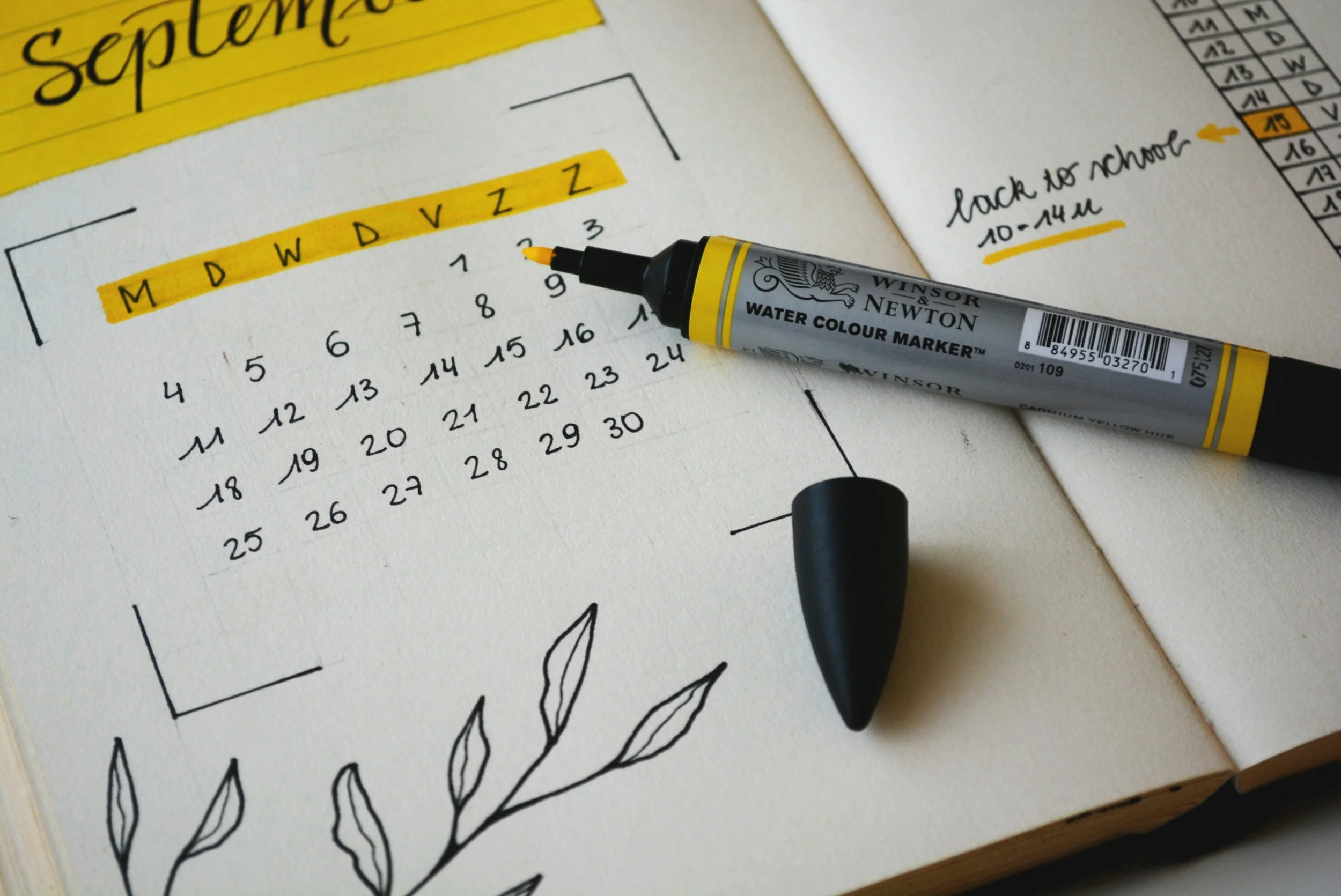
Too often, we plan based on the kind of weeks we hope to have, but new expectations and interruptions derail our best intentions. Most health plans fall apart; here's what to do instead.
Three ideas that help habits hold up
1. Use a cue. New habits stick better when they're attached to something you already do every day: after you pour your morning coffee, when you park the car, as you close your laptop. The cue does the remembering for you.
2. Start with a mini-habit. Make the starting version of a new habit so small it's almost impossible to skip, like two minutes of stretching, one glass of water, or two sets of stairs. A mini-habit fits your busiest day, and doing it more consistently starts to shift how you see yourself: as someone who follows through. You can then build up once it’s steady.
3. One habit at a time. Habits usually take longer to settle in than we expect, and that's normal. Stacking even three new habits at once is a recipe for overwhelm. Start with one new habit, track your consistency, and only add the next new habit when the last one feels steady and you're confident it is now part of your normal routine.